For the Narrative essay, I'm looking at if the 1988 film Who Framed Roger Rabbit? could give
the same experience without animation. As a part of that, I'm going to have to look at how the
film embraces animation in the first place. A lot of animation quirks and trademarks serve
some purpose to the film, be it a story beat, a visual gag, or even a character's name.
the same experience without animation. As a part of that, I'm going to have to look at how the
film embraces animation in the first place. A lot of animation quirks and trademarks serve
some purpose to the film, be it a story beat, a visual gag, or even a character's name.
CARTOON CROSSOVERS
Arguably, one of the most memorable things about this film was it's ability to bring together
both Disney characters and Looney Tunes characters for the first time. Most notable are two
scenes; the piano fight in the Ink & Paint Club (starring Donald Duck and Daffy Duck), and
the "jumping without a parachute" scene (starring Mickey Mouse and Bugs Bunny).
both Disney characters and Looney Tunes characters for the first time. Most notable are two
scenes; the piano fight in the Ink & Paint Club (starring Donald Duck and Daffy Duck), and
the "jumping without a parachute" scene (starring Mickey Mouse and Bugs Bunny).
(This scene still marks the only official appearance of both Mickey Mouse and Bugs Bunny
onscreen at the same time - credit: Touchstone Pictures)
onscreen at the same time - credit: Touchstone Pictures)
The complete list of characters appearing from both Looney Tunes and Disney goes on quite
a ways, but they also manage to get other cartoon characters in too; most notably, Droopy
Dog, Woody Woodpecker, Betty Boop and Koko the Clown.
a ways, but they also manage to get other cartoon characters in too; most notably, Droopy
Dog, Woody Woodpecker, Betty Boop and Koko the Clown.

(The final scene of the film showcases many of the characters that had cameos throughout
the whole film - credit: Touchstone Pictures)
the whole film - credit: Touchstone Pictures)
Bringing all these iconic characters from animation into the film is probably one of the
strongest ways to respect and embrace the medium. If the film had been done but instead of
Mickey Mouse, they brought in a Charlie Chaplin character, the same effect wouldn't be
achieved.
strongest ways to respect and embrace the medium. If the film had been done but instead of
Mickey Mouse, they brought in a Charlie Chaplin character, the same effect wouldn't be
achieved.
(A video essay by Eddache analysing the scene involving Donald Duck and Daffy Duck
onscreen together - credit: Eddie Bowley)
onscreen together - credit: Eddie Bowley)
ACME
One of the secondary characters is named Marvin Acme. He owns the Acme Corporation,
who specialise in making gag gifts and cartoon props. Among his products include the
Disappearing-Reappearing Ink Pen, spring loaded hammers, and his "biggest seller", the
Hand Buzzer.
who specialise in making gag gifts and cartoon props. Among his products include the
Disappearing-Reappearing Ink Pen, spring loaded hammers, and his "biggest seller", the
Hand Buzzer.
The name Acme isn't exclusive to Who Framed Roger Rabbit?. Arguably, it's most well
known from the Looney Tunes Road Runner cartoons. In the cartoons, Wile E. Coyote orders
various props, tools and contraptions from the Acme Corporation to try and catch the Road
Runner. Each thing ordered has the word "ACME" plastered onto it, and each one fails
spectacularly. Ironic, considering the wordAcme originally comes from the Greek term for
"highest point", or the best.
known from the Looney Tunes Road Runner cartoons. In the cartoons, Wile E. Coyote orders
various props, tools and contraptions from the Acme Corporation to try and catch the Road
Runner. Each thing ordered has the word "ACME" plastered onto it, and each one fails
spectacularly. Ironic, considering the wordAcme originally comes from the Greek term for
"highest point", or the best.

(Wile E. Coyote using an Acme Co. rocket to catch up to the Roadrunner -
credit: Warner Bros.)
credit: Warner Bros.)
Considering the strong connection between the types of products Acme Corporation makes
in Roger Rabbit (cartoony props and gags) and the products the Coyote uses, it's no
coincidence.
in Roger Rabbit (cartoony props and gags) and the products the Coyote uses, it's no
coincidence.
RIFFING
In cartoons, there's a technique known as riffing. It's where gags and jokes take over in place
of telling the story. These gags are typical for older cartoons from the late 20s to early 50s;
the timeframe in which the film takes place.
of telling the story. These gags are typical for older cartoons from the late 20s to early 50s;
the timeframe in which the film takes place.
Who Framed Roger Rabbit? takes older, more classic examples of riffing and incorporates
them into the film, either as a small background gag or, in some instances, as entire plot
points.
them into the film, either as a small background gag or, in some instances, as entire plot
points.
The main one the film uses is the riff of dropping heavy objects onto characters; in this case,
a piano and a safe. Marvin Acme's death kickstarts the main part of the story, after a mystery
killer drops a safe on him. It's later revealed to be the same person who dropped a piano on
the main character's brother, also killing him. The gag has been used in cartoons and
animations new and old, even living on today in cartoons like asdfmovie4.
a piano and a safe. Marvin Acme's death kickstarts the main part of the story, after a mystery
killer drops a safe on him. It's later revealed to be the same person who dropped a piano on
the main character's brother, also killing him. The gag has been used in cartoons and
animations new and old, even living on today in cartoons like asdfmovie4.

(Wile E. Coyote after getting hit with a piano - credit: Warner Bros.)
The film also uses other animation tropes, including inanimate objects suddenly singing
(see the Singing Sword), crashing through walls leaving perfect outlines (see Roger's
outburst after seeing Jessica's pictures), and facial features transforming (see Judge
Doom's reveal).
(see the Singing Sword), crashing through walls leaving perfect outlines (see Roger's
outburst after seeing Jessica's pictures), and facial features transforming (see Judge
Doom's reveal).

(Eddie picks up a sword to fight Judge Doom, only to see the sword start singing as Frank
Sinatra - credit: Touchstone Pictures)
Sinatra - credit: Touchstone Pictures)
SPOKEN REFERENCES / LOCATIONS
There are elements of the film embracing animation not just with the animation itself.
Scattered throughout the film, there are lines dropped by characters and locations revealed
to us that harken back to animation and it's terminology.
Scattered throughout the film, there are lines dropped by characters and locations revealed
to us that harken back to animation and it's terminology.
The best example of this is with the Ink and Paint Club sequence. Firstly, there's the name.
Ink and Paints are obviously the tools used to colour cartoon frames back when they were
still done on cels; even Roger Rabbit used cels. It also refers back to the Ink and Paint
department that was at Walt Disney Animation Studios during their early productions. During
the production of Snow White and the Seven Dwarfs, the women hired at WDAS were sent
to the Ink and Paint department, where they would paint each and every frame that the
animators created.
Ink and Paints are obviously the tools used to colour cartoon frames back when they were
still done on cels; even Roger Rabbit used cels. It also refers back to the Ink and Paint
department that was at Walt Disney Animation Studios during their early productions. During
the production of Snow White and the Seven Dwarfs, the women hired at WDAS were sent
to the Ink and Paint department, where they would paint each and every frame that the
animators created.
To enter the Ink and Paint Club, the gorilla bouncer asks Eddie for the password. He
responds with "Walt sent me." This reference is quite simple; it refers to Walt Disney.
One location significant to the plot is Toontown. In Roger Rabbit, it's portrayed as a town
somewhat anthropomorphised as a cartoon. Buildings feature faces and emote often, the
graffiti on buildings reference back to older animations, and the laws of physics are
equivalent to that of older style cartoons, where anything went.
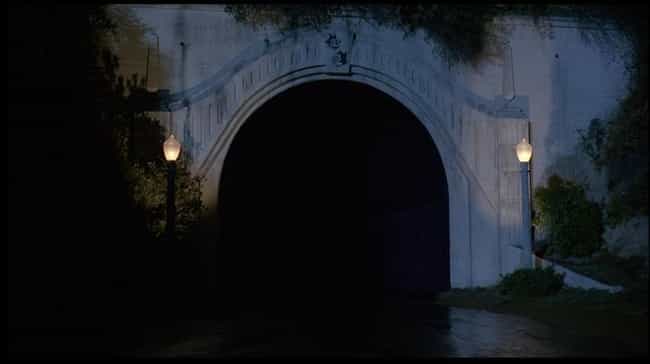
Even the entrance to Toontown from the real world features an illustration of Felix the Cat
above it'sarchway. Felix the Cat was one of the very first animated characters to show off
a personality and traits of their own.
The film also has a few jokes thrown in referencing back to cartoons and animation in
general. They don't serve much purpose to the story, but act as fun hidden easter eggs for
anyone looking out for them. These include:
responds with "Walt sent me." This reference is quite simple; it refers to Walt Disney.
One location significant to the plot is Toontown. In Roger Rabbit, it's portrayed as a town
somewhat anthropomorphised as a cartoon. Buildings feature faces and emote often, the
graffiti on buildings reference back to older animations, and the laws of physics are
equivalent to that of older style cartoons, where anything went.
Even the entrance to Toontown from the real world features an illustration of Felix the Cat
above it'sarchway. Felix the Cat was one of the very first animated characters to show off
a personality and traits of their own.
(Felix can be seen carved into the archway itself - credit: Touchstone Pictures)
The film also has a few jokes thrown in referencing back to cartoons and animation in
general. They don't serve much purpose to the story, but act as fun hidden easter eggs for
anyone looking out for them. These include:
- Jessica Rabbit's remark of "I'm not bad... I'm just drawn that way."
- When Roger is singing and dancing in the bar, he's doing it to the tune "The Merry- Go-Round Broke Down"; this tune is the very same that plays before Looney Tunes cartoons.
- Betty Boop appears in black-and-white, commenting on how she's found it difficult to find work "since cartoons went to colour".

No comments:
Post a Comment